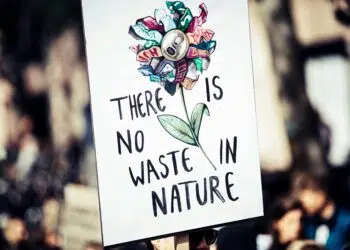
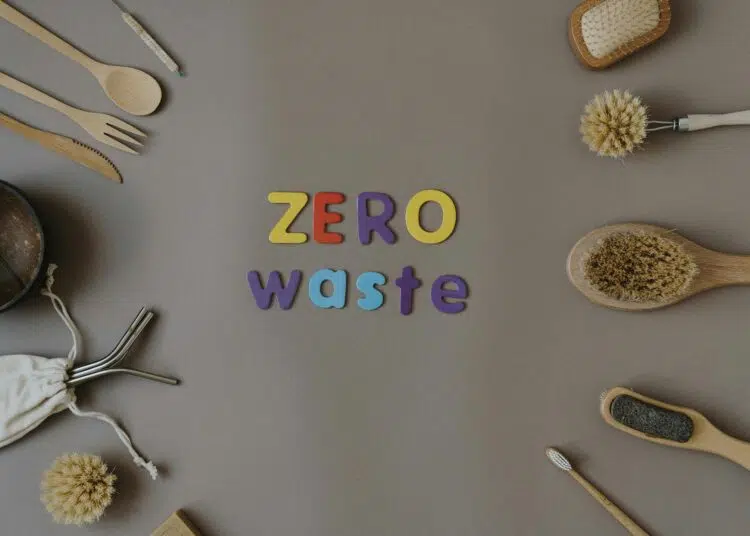
International Zero Waste Day is marked every year on March 30, following its official recognition by the United Nations General Assembly in 2022. The day was created to draw attention to the scale of global waste and the need for more responsible production and consumption patterns.
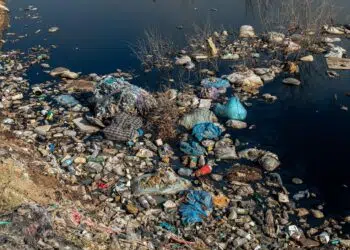
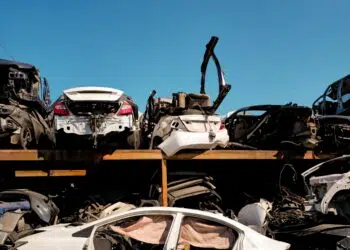
Today, the world generates over 2 billion tonnes of municipal solid waste annually, according to UN data. A large share of it is either mismanaged or ends up in landfills and the environment. This is not just an environmental issue. It is a sign of inefficiency in how resources are used across industries.
2026 focus: food waste and lost value
The 2026 edition places a strong focus on food waste. This is one of the clearest examples of a broken system. Food is lost at every stage, from agricultural production and processing to retail and households.
According to UNEP, a significant share of food produced globally is never consumed. This means wasted water, energy, land, and labor. In economic terms, it is a loss of value. In environmental terms, it adds pressure on already limited resources.
The discussion in 2026 is moving beyond awareness. It is about redesigning systems. Better logistics, improved storage, smarter supply chains, and new business models that turn side streams into usable products are all part of the solution.
From waste management to resource management
A key idea behind International Zero Waste Day is that waste should not be treated only at the end of the chain. The real opportunity lies at the beginning.
This includes how products are designed, how materials are selected, and how processes are structured. The shift is from managing waste to preventing it. That is where circular economy principles come in.
Businesses are starting to look at by-products and side streams not as waste, but as inputs for new products. This approach is already visible in sectors like food, textiles, and manufacturing.
What happens beyond the headlines?
The day is marked globally through events, campaigns, and policy discussions led by organizations such as UNEP and UN-Habitat. But its real impact depends on what happens after March 30.
Schools, companies, and local communities play a key role. Education, pilot projects, and practical solutions often drive more change than large-scale campaigns.
A direction, not a one-day message
International Zero Waste Day is still a relatively new global observance, but its relevance is growing. The conversation is becoming more practical and more connected to real business decisions.
The challenge is no longer to explain why waste is a problem. The challenge is to build systems where waste is no longer the default outcome. Let’s celebrate responsibly.