• Всички новини
    • Регулации
    • Компании
    • ESG съвети за бизнеса
    • Ние променяме
    • Тенденции
    • Добрият пример
    • Инвестиции
    • Иновации
    • Подкаст
    • TOP JOBS
  • ESG&FRIENDS
  • ESG Awards
  • За нас
    • ESGnews
    • Екип
    • Реклама
    • Контакти
  • Всички новини
    • Регулации
    • Компании
    • ESG съвети за бизнеса
    • Ние променяме
    • Тенденции
    • Добрият пример
    • Инвестиции
    • Иновации
    • Подкаст
    • TOP JOBS
  • ESG&FRIENDS
  • ESG Awards
  • За нас
    • ESGnews
    • Екип
    • Реклама
    • Контакти
български
  • Всички новини
    • Регулации
    • Компании
    • ESG съвети за бизнеса
    • Ние променяме
    • Тенденции
    • Добрият пример
    • Инвестиции
    • Иновации
    • Подкаст
    • TOP JOBS
  • ESG&FRIENDS
  • ESG Awards
  • За нас
    • ESGnews
    • Екип
    • Реклама
    • Контакти
  • Всички новини
    • Регулации
    • Компании
    • ESG съвети за бизнеса
    • Ние променяме
    • Тенденции
    • Добрият пример
    • Инвестиции
    • Иновации
    • Подкаст
    • TOP JOBS
  • ESG&FRIENDS
  • ESG Awards
  • За нас
    • ESGnews
    • Екип
    • Реклама
    • Контакти
български
български

The garbage patches were never the real problem

If plastic production and leakage continue at current rates, the researchers expect 2.8 times more plastic in the ocean by 2060 compared to today

Денимир Димитров by Денимир Димитров
16 seconds ago
in Trends
A A
Share on FacebookShare on Twitter

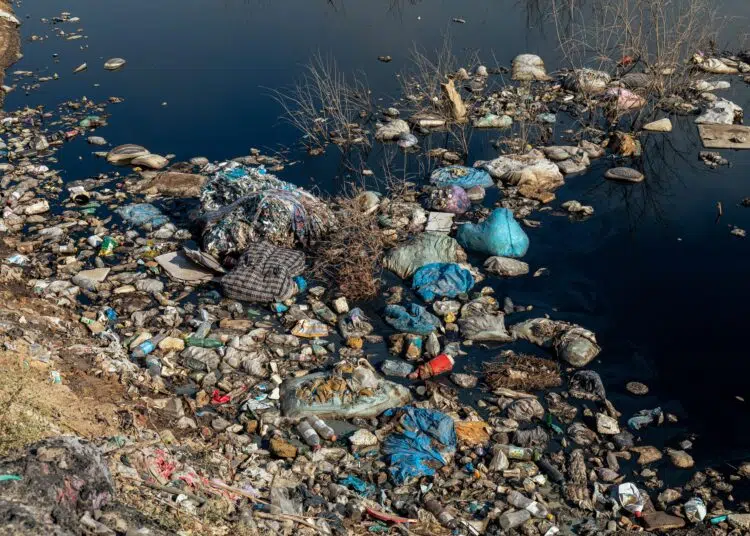
For years, the public image of ocean plastic has been the garbage patch. A swirling mass of bottles and bags, trapped by currents, visible from a boat or a drone. The European Environment Agency’s latest science brief, published 25 June, makes a case for looking past that image entirely.

The researchers behind the underlying study built two separate maps. One shows where plastic actually accumulates in the ocean. The other shows where marine animals actually live. The insight came from overlapping them. A patch of ocean thick with plastic but empty of life poses little ecological risk. A patch with moderate plastic but dense wildlife can be far more dangerous. Risk, in other words, is not the same thing as pollution.

Where the danger concentrates

Using that combined approach, the team identified the north-eastern Atlantic as a high-risk zone for plastic ingestion by larger marine animals, while smaller organisms face greater danger in the north-western Atlantic. The same region, the North Atlantic, also came up as a hotspot for a second and less visible threat: chemical contamination.

Plastics in the ocean do not just get eaten. They also act like sponges, binding to toxic compounds already present in seawater. The study used methylmercury and a chemical called perfluorooctane sulfonate as test cases, and found both binding heavily to plastics in the North Atlantic. Where ingestion risk and chemical contamination overlap in the same place, the danger compounds, since animals are not just swallowing plastic but absorbing what has attached to it.

Coastlines, not open water

A third risk category, entanglement, told a different geographic story entirely. The research found that entanglement risk near coastlines runs more than 100 times higher than in the open ocean, concentrated wherever fishing activity is intense. North of the 40th parallel, the combination of dense marine life, heavy shipping, and accumulated debris pushed entanglement risk for larger animals sharply upward.

The projections attached to the study are blunt. Under a high emissions scenario, where plastic production and leakage continue at current rates, the researchers expect 2.8 times more plastic in the ocean by 2060 compared to today, with concentrations rising in every ocean basin. Even under a moderate reduction scenario, plastic levels would still climb in the South Pacific and southeast Atlantic, driven by expected waste growth from South America and Africa.

There is a narrower piece of good news buried in the data. Even modest cuts to plastic emissions produced a real drop in open ocean entanglement risk. The catch is that the same scenario showed entanglement risk continuing to rise along coastlines regardless, since debris already in circulation keeps washing up and accumulating at the shore.

What does it mean?

The EEA frames the findings as a direct input for two live policy processes: the EU’s Circular Economy Action Plan and the ongoing negotiations toward a Global Plastics Treaty. The core recommendation is straightforward. Cleanup efforts and prevention policy aimed only at the famous garbage patches are likely missing where marine life is actually being harmed.

Tags: garbageoceanocean plasticPlasticsThe European Environment Agency

Свързани Новини

Trends

Today is Global Car Recycling Day

by Денимир Димитров
June 20, 2026
0

Global Car Recycling Day takes place on 20 June 2026, the fourth year running. The campaign was never meant to...

Read moreDetails
Trends

Three reports Europe cannot afford to ignore

by Денимир Димитров
May 22, 2026
0

On Tuesday, the European Environment Agency released three new reports on the state of the circular economy in Europe. The...

Read moreDetails
Trends

Circular economy is entering the data era

by Денимир Димитров
May 8, 2026
0

For years, circular economy discussions were focused mainly on waste. Recycling rates, plastic bans, packaging targets and landfill reduction dominated...

Read moreDetails
Trends

Fashion industry hits a reality wall not ready for circularity

by Денимир Димитров
May 1, 2026
0

The fashion industry is entering a phase it can no longer avoid. For years, the circular economy was discussed as...

Read moreDetails
Денят на Земята
Trends

Earth Day 2026 – awareness is not the problem anymore

by Денимир Димитров
April 25, 2026
0

Earth Day 2026 happened on April 22 under the theme “Our Power, Our Planet.” Around one billion people in over...

Read moreDetails
Load More

Последни новини

The garbage patches were never the real problem

June 26, 2026

ESG Lessons from Singapore

June 22, 2026

Today is Global Car Recycling Day

June 20, 2026

Privileges and Their Role in the Social Hierarchy

June 15, 2026

ЗАПИШЕТЕ СЕ ЗА НАШИЯ БЮЛЕТИН


ESG-black

Страници

  • Контакти
  • Реклама
  • Екип
  • Контакти
  • Реклама
  • Екип

Част от групата на

Part of the group of:

  • Контакти
  • Реклама
  • Екип
  • Контакти
  • Реклама
  • Екип

Този сайт е защитен от reCAPTCHA и Google Политика за поверителност и Условия за ползване са приложени.

Terms of Use

Protection of personal data

Конфигурация на бисквитки по ЕИЗ .

© 2026 All rights reserved! Building and Digital Marketing thanks to MasterWeb LTD.

No Result
View All Result
  • Advertising
  • Contact us
  • ESG & FRIENDS
  • ESG Awards
  • ESG News – Environmental, social and corporate governance
  • ESGnews
  • Team

© 2023

  • Всички новини
    • Регулации
    • Компании
    • ESG съвети за бизнеса
    • Ние променяме
    • Тенденции
    • Добрият пример
    • Инвестиции
    • Иновации
    • Подкаст
    • TOP JOBS
  • ESG&FRIENDS
  • ESG Awards
  • За нас
    • ESGnews
    • Екип
    • Реклама
    • Контакти
  • Всички новини
    • Регулации
    • Компании
    • ESG съвети за бизнеса
    • Ние променяме
    • Тенденции
    • Добрият пример
    • Инвестиции
    • Иновации
    • Подкаст
    • TOP JOBS
  • ESG&FRIENDS
  • ESG Awards
  • За нас
    • ESGnews
    • Екип
    • Реклама
    • Контакти

ЗАПИШЕТЕ СЕ ЗА НАШИЯ БЮЛЕТИН


Forgot Password?

Verify Your Email

We have sent a 6-digit verification code to your email. Please enter it below to continue.

Resend Code
Sign In