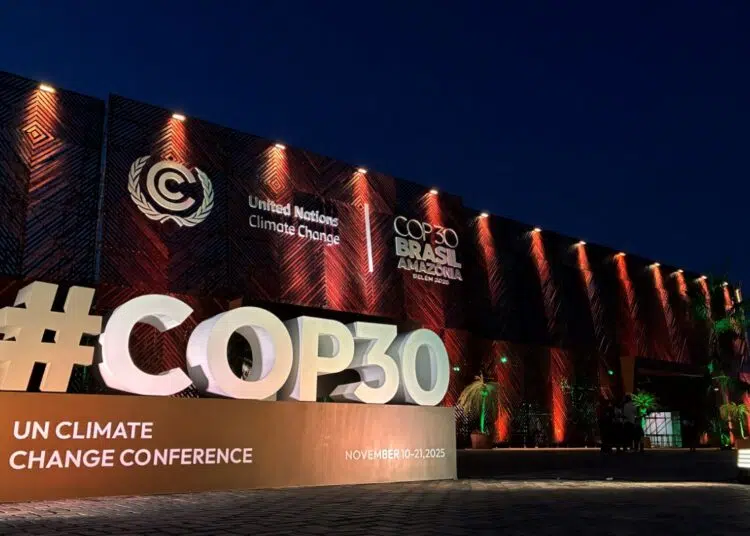
The global circular economy agenda hit a difficult moment after the COP30 climate talks. Many hoped that this year would bring clearer commitments on resource use, waste prevention and product design. It did not happen. Negotiators left several points open. This raised concern among experts, businesses and civil society groups.
Talks slowed by disagreements
The main obstacle was the lack of agreement on how fast countries should shift away from the current linear model. Some governments pushed for strict targets for reducing material extraction. Others asked for more time and financial support. The result was long discussions and no clear timeline.
Several delegates said the talks were overshadowed by debates on financing. Developing countries asked for stronger guarantees to help them introduce circular initiatives. These include better recycling systems, product repair programs and new standards for industrial waste. Wealthier countries were cautious. They agreed in principle, but did not commit to firm funding levels.
Business groups expected stronger signals
Companies that already invest in circular models hoped for more clarity. Many have started redesigning products, reducing waste and reusing materials. They want stable international rules to support long term planning. Without them, it is harder to scale solutions and to attract investment.
Industry representatives highlighted the growing gap between corporate efforts and global policy. While many firms push forward with recycling and resource efficiency, global alignment remains slow. This gap affects supply chains, especially sectors that depend on rare minerals or high energy materials.
Cities and regions move to the next level
Despite the stalled negotiations, cities and regional authorities continue to make progress. Many local governments have set their own circular targets. They invest in repair centers, reuse hubs and public procurement rules that reward sustainable products. This bottom up momentum shows that circular practices can advance even when global talks slow down.
Community initiatives also gained attention during the discussions. Grassroots groups across Asia, Africa and Latin America are working on low cost solutions for waste reduction and local reuse. Their efforts build resilience and help communities save resources while reducing pollution.
Hope for renewed focus in the next cycle
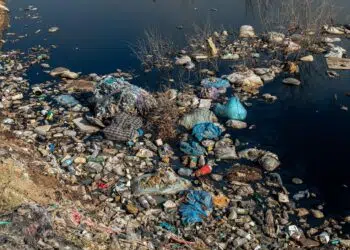
Experts say the outcome of COP30 is not a complete setback. It reflects the complexity of changing global material flows. The need for circular solutions remains clear. Rising waste levels, resource shortages and climate impacts make this shift urgent.
The next negotiation cycle will need stronger leadership and clearer goals. Many believe that countries will return to the table with more data and more pressure from businesses and citizens. The global circular agenda still has strong support. It just needs a more coordinated path forward.