Circular economy is no longer a concept discussed in panels and reports. In 2026, it is becoming a direct response to pressure coming from regulation, costs, and supply chain instability. Companies are not asking why they should go circular. They are asking how to make it work without breaking their business model. This shift is opening very specific opportunities. Not everywhere. Not for everyone. But in clearly defined spaces.
Waste is becoming a resource market
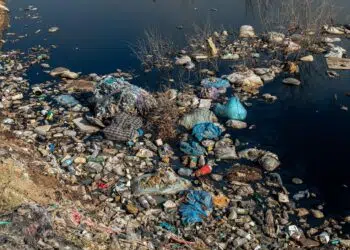
One of the clearest opportunities is the transformation of waste into a structured input market. Food by-products, agricultural residues, and industrial side streams are no longer seen as disposal problems. They are becoming feedstock. The change is subtle but important. Instead of managing waste, companies are starting to trade it. This creates space for businesses that can aggregate side streams, process them into usable materials, and connect suppliers with buyers. Platforms, processing facilities, and logistics solutions are all part of this emerging layer.
Design is replacing recycling as the real leverage point
For years, investment went into recycling technologies. The results are visible, but limited. The real opportunity now is moving upstream into design. Products that are easier to repair, reuse, or disassemble are becoming more valuable. Not because of sustainability messaging, but because they reduce long-term costs and regulatory risk. This opens space for product redesign services, modular product systems, and materials innovation. The companies that win here are not recyclers. They are designers.
The repair economy is underestimated and underbuilt
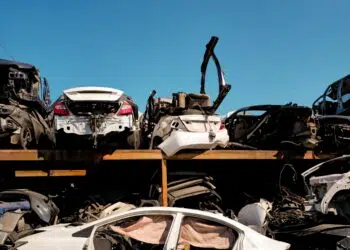
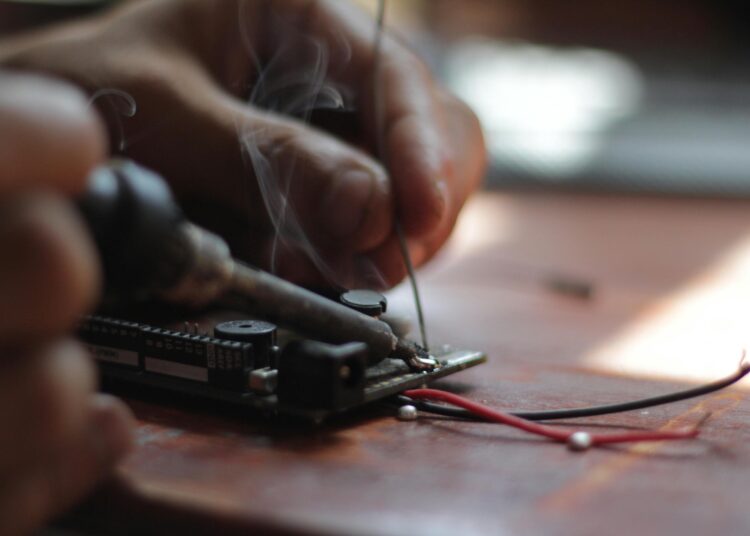
At the same time, something unexpected is happening. The repair economy is shrinking in many regions. Fewer skills. Less infrastructure. Lower visibility. This is a gap. As regulation starts to support right-to-repair and longer product lifecycles, demand will increase, but supply is not ready. There is a clear opportunity in repair services, refurbishment models, and local repair networks. This is not a futuristic idea. It is a missing layer in the system.
Circularity as a service
Another strong direction is the shift from ownership to access. Companies are experimenting with models where customers do not buy products, but use them. This includes subscription-based products, leasing models, and take-back systems. The value comes from control. When a company keeps ownership, it can recover materials, extend product life, and reduce resource dependency.
The real constraint is not technology
Most of the required technologies already exist. The challenge is economic. Linear systems are still cheaper in many cases. Infrastructure is incomplete. Behavior is slow to change. This is why the biggest opportunities are not in invention. They are in execution.
Circular economy in 2026 is not about doing everything differently. It is about identifying where the system is breaking and building exactly there. The tension is clear. Regulation is accelerating. Business models are catching up slowly. In that gap, the next generation of companies is being built.