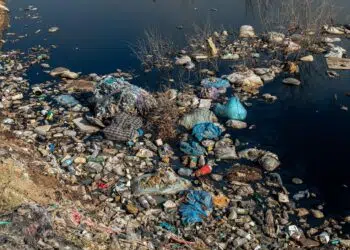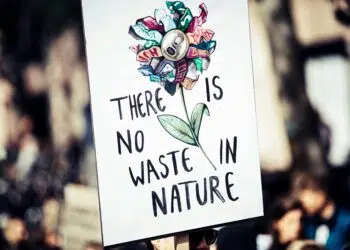

In a world struggling to reduce waste and live more sustainably, nature has already perfected the circular economy – right beneath the waves.
Coral reefs, often referred to as the “rainforests of the sea”, offer a living, breathing model of what a zero-waste system can look like. In an article by The Guardian, it is said that coral holobionts are described as nature’s most efficient recyclers – demonstrating how complex systems can flourish in scarcity.
A symbiotic system of sharing
At the center of this natural circular economy is a unique collaboration. Coral polyps – tiny animals that form reef structures – live in close symbiosis with photosynthetic algae known as zooxanthellae. The algae use sunlight to create energy and share it with the coral, which in turn provides them with a safe home and nutrients.
It doesn’t stop there. Coral holobionts also include a wide range of bacteria and microbes. These tiny players recycle waste materials, turning them back into usable nutrients for both the algae and the coral. In essence, everyone benefits – and nothing is wasted.
This closed-loop system thrives in some of the most nutrient-poor waters on Earth, turning scarcity into abundance.
A model for human systems?
The concept of the circular economy has gained global momentum in recent years, especially in industries seeking to reduce reliance on raw materials and cut down waste. But as The Guardian article points out, coral ecosystems have been doing this for millions of years – without any fossil fuels, factories, or supply chains.
By mimicking these natural processes – recycling resources, creating symbiotic partnerships, and designing for resilience – humans might move closer to building truly sustainable systems.
A fragile balance
But coral reefs are under severe threat. Rising sea temperatures, ocean acidification, and pollution are pushing these delicate ecosystems to the brink. When corals experience too much stress, they expel their algal partners – a process known as bleaching – which can lead to massive die-offs.
The tragedy is not just ecological. Coral reefs support an estimated 25% of all marine life and provide food, livelihoods, and coastal protection to over 500 million people worldwide.
As we look to nature for inspiration, we must also take responsibility for its protection.
Lessons beneath the surface
Coral reefs may seem far removed from our daily lives, but they hold crucial lessons for how we design our economies, cities, and industries. They remind us that sustainability isn’t just a buzzword – it’s a way of living where every part of the system matters.
And perhaps, like the coral, we can learn to do more with less.