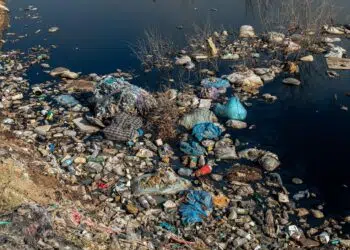

Across the globe, plastic recycling plants are operating far below their potential. According to Resource Recycling, many facilities in North America and Europe could process significantly more material than they currently receive. The problem is not technology or capacity. The real challenge lies in collection and demand.
Waste is not reaching recyclers
Large volumes of plastic packaging still end up in landfills or incinerators. A report by the OECD earlier this year showed that only 9% of global plastic waste was effectively recycled in 2024. This means that recyclers are competing for a limited supply of sorted plastics, even though their equipment stands ready to work at higher volumes.
Demand for recycled content is too weak
Another issue is the lack of consistent demand for recycled plastics. Many concerned organizations have highlighted that many brands have made public commitments to use more recycled content, but actual purchasing has lagged behind. Virgin plastic remains cheaper in many markets, especially when oil prices are low, which undermines incentives to buy recycled alternatives.
Policy can close the gap
Experts point to extended producer responsibility (EPR) as a tool to balance supply and demand. The European Union recently adopted new EPR rules for textiles, and similar measures are expected for packaging. By making producers financially responsible for collection and recycling, policymakers hope to drive more material into recycling streams while creating stable markets for recyclers.
Industry calls for stronger action
Industry groups stress that recycling can only succeed if all parts of the chain work together. The American Chemistry Council noted that investments of billions of dollars in advanced recycling will not pay off if municipalities do not improve collection systems. Meanwhile, recyclers argue that without recycled content mandates, brands will continue to choose cheaper virgin plastics.
Circular economy needs alignment
The underuse of recycling capacity is a reminder that circular economy transitions require systemic coordination. Facilities, technology, and expertise exist. What is missing is the alignment of incentives, regulations, and consumer behavior. The Circularity Gap Report 2025 shows global circularity has already dropped to 6.9%. Without stronger efforts to channel waste back into productive use, that number risks falling even further.
Recycling capacity is not the bottleneck. The bottleneck is society’s ability to direct waste into recycling systems and ensure there is demand for the output. Bridging this gap will require policy pressure, corporate responsibility, and consumer awareness. The technology is ready. The question is whether governments and industries are ready to use it.