The market for coatings used in metal packaging is growing steadily as sustainability, durability and safety become core priorities for producers and brands. These coatings are not just functional layers. They are central to how metal packaging performs in recycling systems and circular economy models. Multiple industry forecasts point to steady expansion of this niche market over the next decade.
A market on the rise
Industry reports show that the global market for metal and can coatings is already valued in the billions. In 2024 the global can coatings market was estimated at about USD 4.5 billion. It is expected to grow at around a 4.7 % compound annual rate, reaching an estimated USD 7.1 billion by 2034. This growth reflects wider demand for enhanced performance and new regulatory and sustainability expectations.
Separate data for aluminium packaging coatings point to similar trends. The coatings segment is forecast to expand from around USD 3.4 billion in 2024 to about USD 5.1 billion by 2033. This steady increase shows that coatings are taking a more visible role in packaging performance and environmental outcomes.
Why coatings?
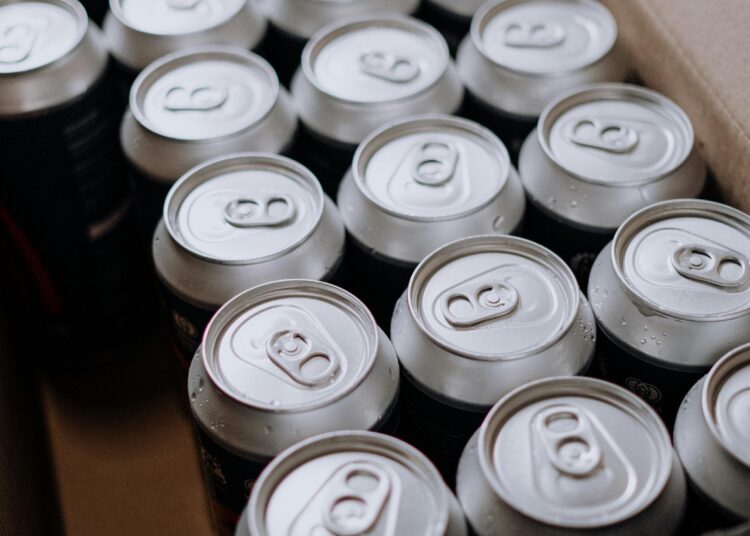
Metal packaging, such as aluminium cans and steel containers, is prized for durability and recyclability. But coatings are essential to that performance. Without the right coating layer, metal can corrode, react with contents, or fail under processing conditions. These problems affect food safety, shelf life and aesthetics, all key concerns for brands and consumers.
Coatings now influence how packaging behaves across the full product lifecycle, from factory fill lines to recycling systems. Well-designed coatings ensure that metal containers can be recycled without contamination and retain material quality through repeated cycles of use and recovery.
Innovation and sustainability
Innovation in coating chemistry is a major driver of growth. Traditional epoxy coatings remain widely used because of their strength and resistance, especially in food and beverage packaging. At the same time, new formulations are emerging that align better with safety regulations and environmental goals.
Environmentally focused developments include water-based coatings and formulations with lower emissions of volatile organic compounds (VOCs). Some coatings are designed to be thin enough to reduce material use, yet still protect contents effectively and remain compatible with recycling systems.
These advances support broader circular packaging strategies. By improving recyclability and reducing environmental impacts, coatings help metal packaging maintain its position as a preferred material in sustainable systems.
Regulation and industry
Stronger regulatory requirements around food contact safety, emissions and chemical usage are also reshaping the coatings landscape. These rules are encouraging manufacturers to rethink formulations to meet both performance and compliance needs. The result is greater consistency, traceability and global acceptance of coated metal packaging.
As sustainability standards rise, coatings are increasingly seen as part of the competitive value proposition for packaging producers and brand owners. They are not just a technical necessity. They contribute to overall product sustainability credentials and circular economy commitments.
Outlook
The steady growth of metal packaging coatings reflects broader market dynamics. Demand for high performance materials that are also environmentally responsible is increasing across food, beverage and industrial sectors. With regulatory pressure, technical innovation and consumer expectations all pushing in the same direction, coatings will continue to be an important piece of the circular packaging puzzle in the years ahead.