Australia is emerging as a leader in efforts to recycle materials from end-of-life solar panels. As rooftop photovoltaic (PV) installations grow rapidly across the country, researchers, industry and government are pushing new recycling solutions to recover valuable metals such as silver, silicon and copper. This marks a shift toward a more circular approach to solar energy and renewable technology waste.
The solar waste challenge
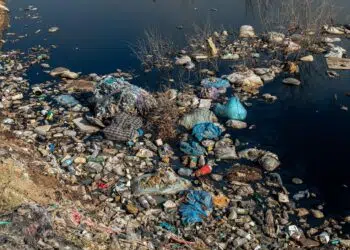
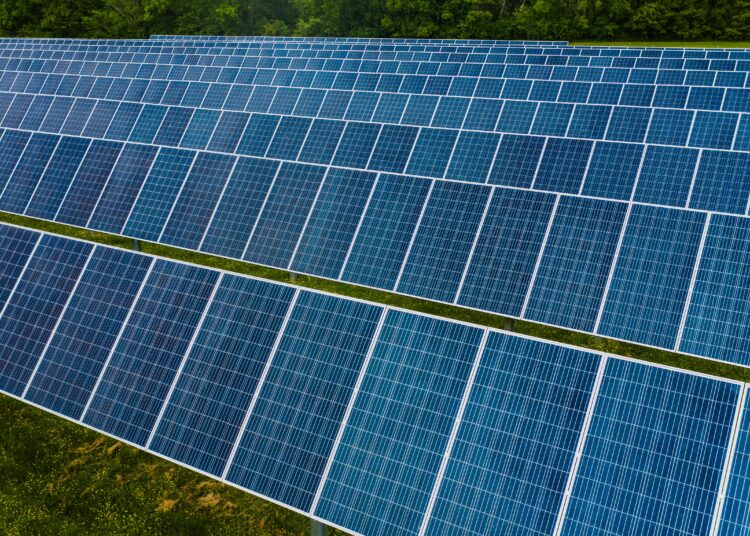
Australia has one of the highest rates of rooftop solar adoption in the world, with more than one in every three homes fitted with panels. These PV systems are critical for cutting emissions and moving toward net-zero energy goals. But solar panels do not last forever. Typical service lives are 20–30 years, after which performance declines. Without effective recycling, huge amounts of end-of-life panels could end up in landfill.
Each solar panel contains a mix of materials including glass, aluminum, silicon and electrical metals such as silver and copper. Much of this could be reused if extracted efficiently. Australians are now facing the reality that panels reaching the end of their life must be treated as a valuable resource rather than waste.
New research unlocks silver recovery
One of the biggest breakthroughs comes from research at the University of Newcastle. Scientists there have developed a fast, safe and highly effective method to recover high-grade silver from old solar panels. Using a physical separation technique that combines mechanical crushing with flotation, the process can recover about 97% of the silver from a panel without harsh chemicals.
This is significant because traditional recycling methods often involve long processes with chemical-intensive steps that pose environmental risks and limited recovery rates. The University of Newcastle’s approach shows that valuable metals in PV panels can be reclaimed efficiently in minutes, making recycling more feasible and less hazardous.
Silver is a key component in solar cells, used to conduct electricity generated by the panels. Given its high value and growing demand in renewable technologies, efficient recovery of silver could add economic incentives to recycling schemes.
National action and pilot schemes
Beyond research, the Australian government is investing in national recycling infrastructure. A new national pilot program will receive A$24.7 million over three years to establish up to 100 collection points for old solar panels and build a long-term recycling system. This aligns with broader recommendations to strengthen circular economic practices for high-value waste streams like PV panels.
These efforts are part of a larger shift in policy and industry practice, recognizing that renewable energy waste must be planned for alongside energy deployment. Australia’s focus on collection, recovery and reuse aims to keep materials in circulation instead of landfills while avoiding environmental harm.
Industry initiatives and future prospects
Industry players are also stepping up. Recycling facilities in Queensland and New South Wales are scaling up operations to recover metals and other materials from decommissioned solar arrays. These initiatives often integrate with local stewardship programs to divert panels from landfill and feed recovered materials back into manufacturing supply chains.
The combination of innovative research, government support and industry engagement shows that Australia is not only a leader in renewable energy deployment but also in developing circular systems to manage the resulting waste. As solar adoption continues to grow, such recycling solutions will be essential to ensure that the transition to clean energy also supports responsible, circular resource use.