
Andhra Pradesh’s Cabinet, chaired by Chief Minister N. Chandrababu Naidu, has approved the state’s first ever comprehensive Circular Economy and Waste Recycling Policy for 2025-2030. The move positions AP as a pioneer in India’s transition toward sustainability.
Policy designed for “waste-to-wealth” transformation
Under the Swarna Andhra 2047 initiative, the policy aims to redefine waste as a resource. It introduces a dual-tier infrastructure model covering both urban and rural areas, promotes industrial symbiosis, and establishes interactive circular economy dashboards. Special task forces will monitor and drive implementation.
A boost for MSMEs and local economies
A key goal is to catalyze the creation of micro, small, and medium enterprises (MSMEs) that convert waste into valuable products. State officials estimate this could lead to thousands of new MSMEs, generating jobs while bolstering local economies.
Major investments in infrastructure and legacy waste cleanup
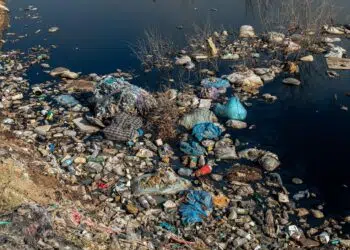
The state has allocated ₹904 crore to upgrade infrastructure in the Amaravati region improving roads, water systems, and public services, which will support waste processing. Earlier efforts included clearing legacy waste: ₹62.4 crore was sanctioned for bioremediation and land reclamation projects, turning old dumpsites into usable land and recovering resources as construction aggregates or refuse-derived fuel.
Aggressive timelines for waste-free targets
AP has set an ambitious deadline: by the end of 2025, the state aims to clear 85 lakh metric tons of legacy waste and manage 20 lakh tons of new waste. Six new waste-to-energy plants are planned at key locations, ensuring complete processing of municipal solid waste.
Supporting behavior change and accountability
To build public awareness and drive action, the government will launch “Swachhata” awards to incentivize cleanliness across municipalities. Inspections of plastic manufacturing units ensure single-use plastic bans are enforced.
Economic impact and growth estimates
Officials project the policy will boost the state’s GSDP by ₹15,000 crore every year, generate ₹3,000 crore in GST revenues, create 100,000 direct jobs, and spark 10,000 new micro-enterprises.
A blueprint for sustainable governance
With its far-reaching scope from infrastructure investments to regulatory enforcement and economic incentives Andhra Pradesh’s policy sets a powerful precedent. It lays the groundwork for scalable, inclusive circular economies across India.