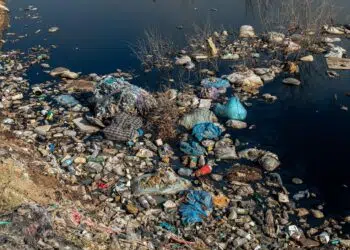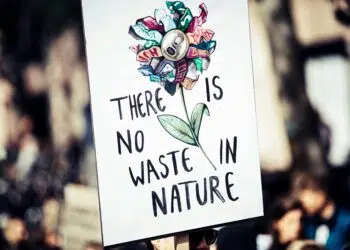
Christmas is the season of joy, warmth, and giving but also one of the most wasteful times of the year. Millions of tons of wrapping paper, packaging, and leftover food end up in landfills every December. Trying circular economy principles doesn’t mean giving up the festive spirit. It simply means celebrating in a smarter, more thoughtful way.
Giving without wasting
Instead of buying new gifts that might be forgotten by January, consider presents that last, are made locally, or carry a story. Handmade crafts, second-hand books, and upcycled accessories are not just sustainable, they are personal. Digital gifts like e-books, online courses, or charity donations also leave no physical waste. If you still want to shop, choose brands that repair, reuse, or recycle their materials.
The Christmas tree circular ideas
The iconic Christmas tree is often at the heart of holiday debates. Plastic trees might seem reusable, but their carbon footprint is higher than you think they need to be used for more than ten years to beat a natural one. If you go for a real tree, look for one from local, certified farms or rent one that’s replanted afterward. Another growing trend is the “creative tree”: people are building their own versions from old books, driftwood, or branches, turning waste into festive art.
Food: from abundance to awareness
Food waste spikes by nearly 30% during the holidays. The circular approach starts in the kitchen, plan your menu carefully, buy what you need, and use leftovers creatively. Turn stale bread into croutons, vegetable scraps into broth, and roast bones into stock. Compost what’s left. Sourcing from local farmers or cooperatives reduces transport emissions and keeps money within the community.
Decorations that tell a story
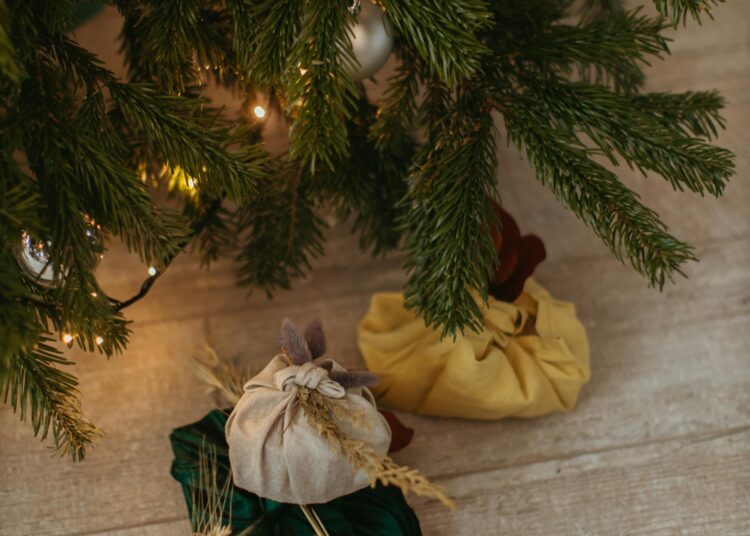
Those shiny plastic ornaments and tinsel? They’ll be around for hundreds of years. Switch to decorations made from natural or recycled materials such as paper, fabric, dried fruit, pinecones. Get the whole family involved in crafting them. It’s an activity that creates memories and reduces unnecessary consumption.
A new kind of celebration
The circular Christmas isn’t about being perfect. It’s about making small, conscious choices that add up such as repairing instead of replacing, sharing instead of hoarding, caring instead of consuming. It’s about returning to the essence of the holidays: connection, kindness, and gratitude.
The circular economy offers a way to keep traditions alive while aligning them with the future. And maybe, just maybe, the best Christmas gift we can give this year is a lighter footprint on the planet and a little more meaning under the tree.