
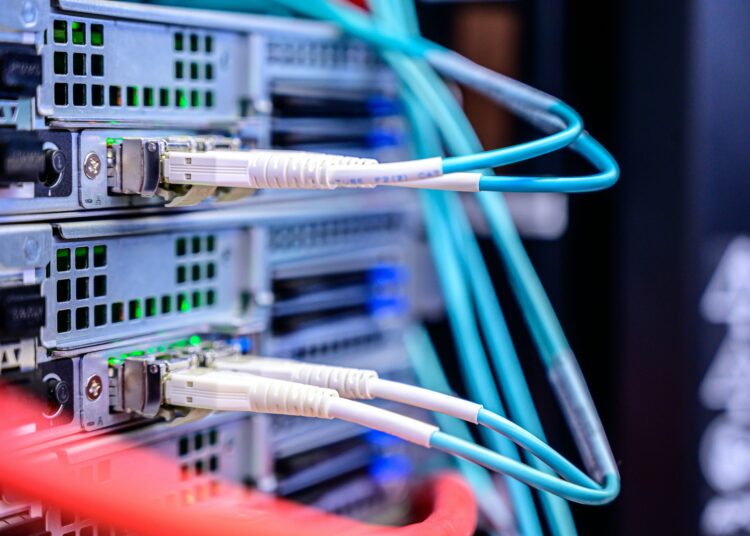
Digital infrastructure from data centers to network towers relies on vast amounts of physical resources. Metals, rare earth elements, concrete, and plastics are used in massive quantities. Yet, much of this material ends up in landfills once infrastructure becomes obsolete. As the demand for faster internet and more data storage grows, so does the waste. Applying circular economy principles can change that.
Designing for reuse and repair
One of the biggest problems in digital infrastructure is obsolescence. Hardware often becomes outdated in just a few years. Companies like Cisco and Dell have started to rethink product design. They are now making modular servers that are easier to upgrade and repair, reducing the need to throw away entire units. This approach extends the life of equipment and reduces pressure on supply chains.
Recycling rare materials
Many components in digital infrastructure use rare earth elements like neodymium and dysprosium. These are hard to mine and environmentally damaging to extract. By recycling old electronics and network components, we can recover these materials. For example, the European project C-SERVEES focuses on creating closed-loop systems for electronic products. Some companies also use urban mining, extracting valuable metals from e-waste instead of traditional mining.
Data centers using circular heat
Data centers are notorious for their high energy use. However, many are now turning waste into value. Some in Sweden and Finland have begun reusing the excess heat they generate to warm nearby homes and buildings. This “heat recovery” is a perfect example of the circular economy where waste from one process becomes a resource for another.
Building with recycled and local materials
The physical buildings that host digital infrastructure also present an opportunity. Construction firms are experimenting with recycled concrete, low-carbon steel, and locally sourced timber. These choices reduce the environmental footprint and support regional economies. The Ellen MacArthur Foundation recommends using Life Cycle Assessment (LCA) tools during the planning phase to select the most circular materials.
Time to connect the dots
Digital infrastructure is often seen as intangible, but it has a very real material footprint. By applying circular economy principles, companies can lower costs, reduce environmental harm, and future-proof their systems. Governments and tech firms must collaborate to make these changes standard practice, not the exception.