The UK government has introduced a game-changer. From August 2025, retailers and online marketplaces must fund the recycling of electrical goods, including disposable vapes. This shift moves responsibility away from local businesses and taxpayers, aiming to curb litter and boost circular economy efforts. Platforms like Amazon are now mandated to register with the Environment Agency and submit sales data to help determine appropriate disposal fees.
Why vapes are a growing environmental concern
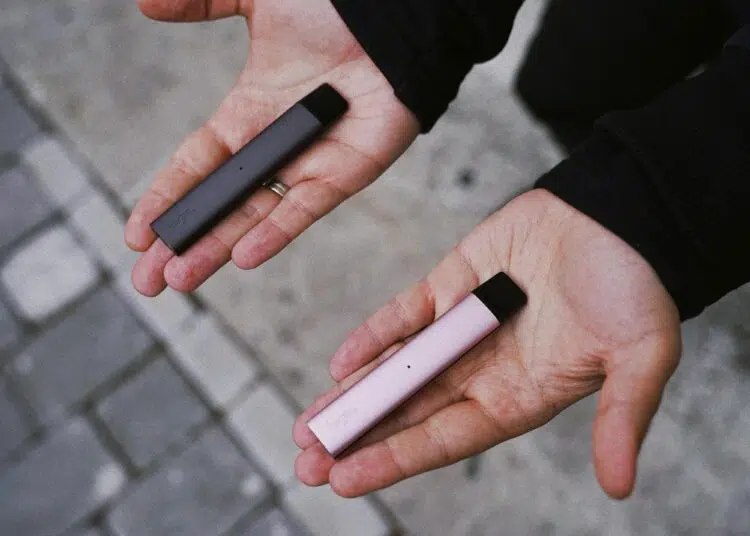
Millions of single-use vapes designed to be discarded after one use end up in general waste. They contain lithium-ion batteries and metals like copper. Such batteries can spark fires at recycling centers or in bin trucks, posing serious safety hazards.
Recent ban on single-use vapes now in effect
Since June 1, 2025, selling disposable, non-rechargeable vapes is illegal across the UK. The law covers all retailers, both online and brick-and-mortar. Fines start at £200 and can escalate to prison for repeat offenders. This measure targets both youth vaping and environmental pollution.
Retailers warned: Don’t stockpile because of fire risk looms
As the ban approached, health and safety officials urged retailers and users not to hoard disposable vapes. Lithium batteries stored in bulk can become fire hazards if mishandled. The government stressed the need for safe disposal of leftover stock via approved recycling schemes.
What the polluter-pays principle means now
Authorities are now applying the “polluter-pays” rule to the vape industry. Manufacturers and vendors must pay for the collection and treatment of their products at end of life. This approach levels the playing field and encourages investment in waste infrastructure. Small businesses that import or produce vapes may now also be legally obliged to register for WEEE (Waste Electrical and Electronic Equipment) schemes and provide take-back services.
Human-scale take on this shift
This isn’t just about throwing regulations at businesses. It’s about building responsibility into the lifecycle of products we rarely consider. From vibrant packaging to youth appeal, vapes have evolved now policy is catching up. Recycling costs are internalized. Users learn that the next puff matters. Businesses who follow the rules gain trust. And infrastructure gets a much-needed boost.