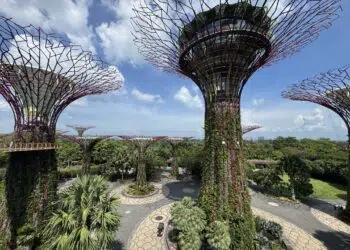
Malaysia has long ceased to be merely an exotic destination famous for its tropical rainforests and petroleum resources. In recent years, the country has established itself as a regional leader in the pursuit of sustainable development, successfully balancing rapid economic growth with environmental preservation. At the heart of this shift lies the ambitious goal of achieving net-zero emissions by 2050—a commitment that is reshaping the entire industrial and urban fabric of the nation.
National Energy Transition Strategy
The National Energy Transition Roadmap (NETR) is the primary pillar upon which Malaysia is building its future. Rather than relying solely on traditional fossil fuels, the government is investing heavily in renewable sources, with solar energy taking a leading role due to the country’s geographic location. Innovative projects such as floating solar farms are being developed, and the use of hydrogen technologies is being encouraged. These initiatives do more than just reduce the carbon footprint; they create a new “green” economy that attracts international investment and technological exchange.
Kuala Lumpur and the Low Carbon City Concept
The capital, Kuala Lumpur, where the iconic Petronas Twin Towers dominate the skyline, is actively implementing the Low Carbon Cities Framework. This program focuses on four key pillars: energy, mobility, waste, and water. Through large-scale tree planting and the creation of new vertical green spaces, Kuala Lumpur is working to mitigate the urban heat island effect, which is typical for large urbanized zones in the tropics.
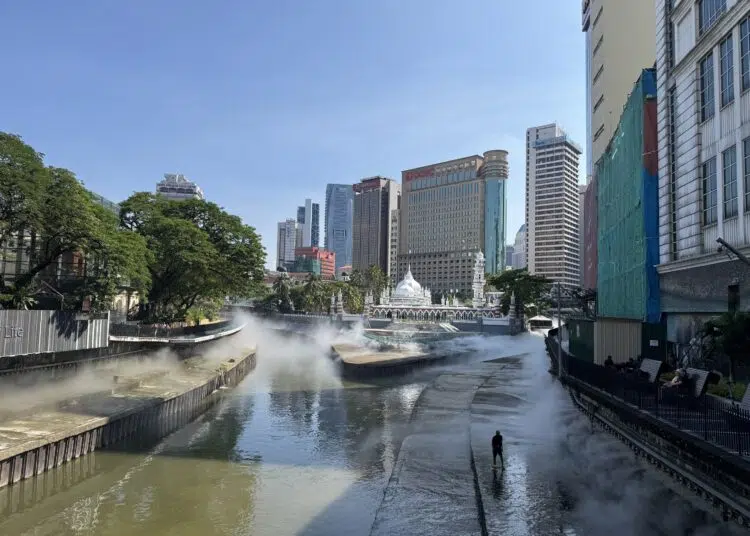
One of the most impressive projects in the capital is the “River of Life.” This massive initiative has transformed the previously polluted Klang and Gombak rivers into clean waterways surrounded by modern public spaces. The project combines water purification with urban planning that encourages pedestrian movement and an active lifestyle. In this way, sustainability is not just an abstract ecological goal, but a tangible tool for improving the quality of life for the millions of residents and tourists in the city.
Smart Mobility and the Future of Transport
Kuala Lumpur’s transportation system is also undergoing a major overhaul. The expansion of the MRT rail networks aims to reduce reliance on private vehicles, which are a primary source of emissions. Parallel to this, the city is developing infrastructure for electric vehicles and implementing smart traffic management systems based on artificial intelligence. These technologies optimize movement and reduce time spent in traffic jams, directly impacting air pollution levels.
Malaysia’s commitment to sustainability serves as proof that modern progress and nature can exist in symbiosis when there is a clear vision and consistent action.