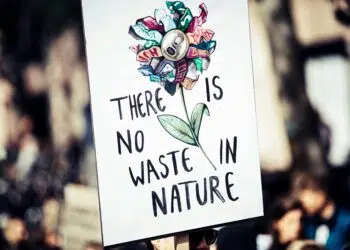
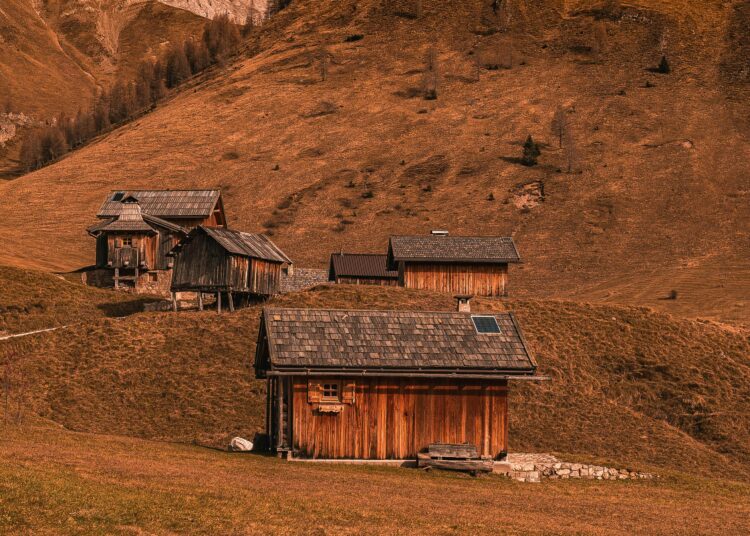
Summer brings more people into the mountains—and more waste. From plastic water bottles to snack wrappers, single-use plastics have become an unwelcome guest on hiking trails and in lodges. But the circular economy offers a better way forward.
The hidden cost of convenience
Single-use plastics are cheap and light, but they leave a heavy mark on nature. According to the European Environment Agency, plastic waste is among the most common types of litter in European natural parks, including hiking trails and remote shelters. These items often end up in soil, water sources, or are burned, releasing toxins.
Many hikers still bring packaged food, disposable utensils, and bottled drinks. Lodges may offer plastic cups, small shampoo sachets, and food in plastic containers. These conveniences come at the cost of ecosystems.
Circular economy in action
The circular economy focuses on reusing, reducing, and regenerating. Instead of taking resources, using them once, and discarding them, circular systems aim to keep materials in use for as long as possible.
Some mountain huts across the Alps and the Balkans are leading the way. For example, the German Alpine Club (DAV) has committed to reducing single-use items in over 300 huts by switching to reusable dishes and offering filtered tap water. In the Rila and Pirin ranges of Bulgaria, eco-lodges encourage hikers to carry their waste back or provide sorting bins powered by solar panels.
Reusable water bottles, beeswax food wraps, and refillable containers are small changes hikers can make that add up to a big impact. Compost toilets, solar ovens, and rainwater collection also reflect circular economy principles in remote areas.
Simple shifts for lasting change
What can hikers and lodge owners do?
Start with awareness. Many still believe that “biodegradable” means safe for the wild. But even biodegradable plastics need industrial composting conditions that don’t exist on trails. The Leave No Trace Center for Outdoor Ethics emphasizes this: if you pack it in, pack it out.
Lodge operators can replace plastic soap bottles with refillable dispensers. Hikers can bring their own cups and utensils. Shared gear libraries at trailheads or huts like those in parts of Switzerland and Slovenia, promote reuse and community engagement.
A circular path forward
Protecting mountain habitats requires more than picking up trash. It means rethinking how we consume and what we bring with us. The circular economy is not just a concept for cities and businesses, it’s a mindset that fits perfectly into the mountain spirit: take only memories, leave only footprints.